Behind every VAD law is a family: Jason's story
Jason Smith was one of the first people to call the ACT’s voluntary assisted dying (VAD) service when it became available on 3 November last year.
At 48 and living with Motor Neurone Disease, he accessed VAD less than eight months later, surrounded by his beloved family and devoted carers.
“After living with motor neurone disease (MND) for eight remarkable years, Jason has found peace,’’ his wife Anthea wrote on social media.
“While we are saddened by his death, today we choose to celebrate the man he was, strong, determined, generous, funny, stubborn at times, and deeply loved by so many.”
 Since Jason’s diagnosis at age 39, he and Anthea tirelessly campaigned and fundraised for MND research. They were also fierce advocates for VAD, attending Go Gentle’s State of VAD report launch in Canberra to share their story.
Anthea said she was grateful Jason had the option of VAD where he lived in Canberra. Before the ACT passed laws, the couple had even considered moving interstate.
When VAD became available in the ACT on 3 November last year, Jason didn’t hesitate. “We rang at 8.30am,’’ Anthea recalled.
“He was more than happy to sign up.”
 Speaking to Go Gentle earlier this year, Anthea said VAD had given Jason something precious: choice.
“Jason is trapped in his body,’’ she said.
“VAD has given him relief - definitely,’’ she said.
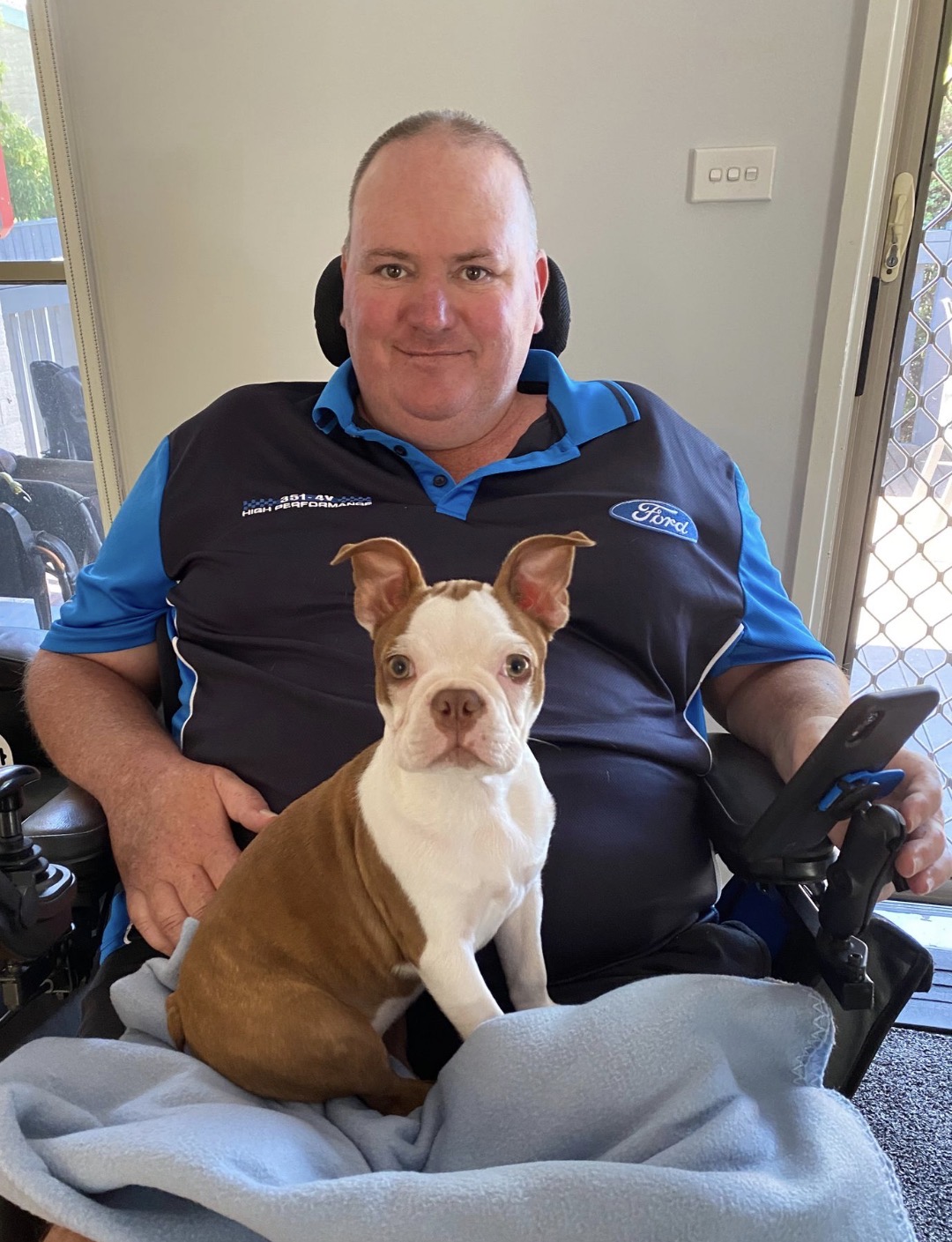
In recent months Jason relied on a ventilator around the clock, and a cough assist machine helped him clear his throat. He was in a wheelchair, his eyesight had deteriorated and speech had become difficult.
VAD gave Anthea comfort too.
“I feel relieved because it means he doesn't have to die by choking or drowning in own mucus.”
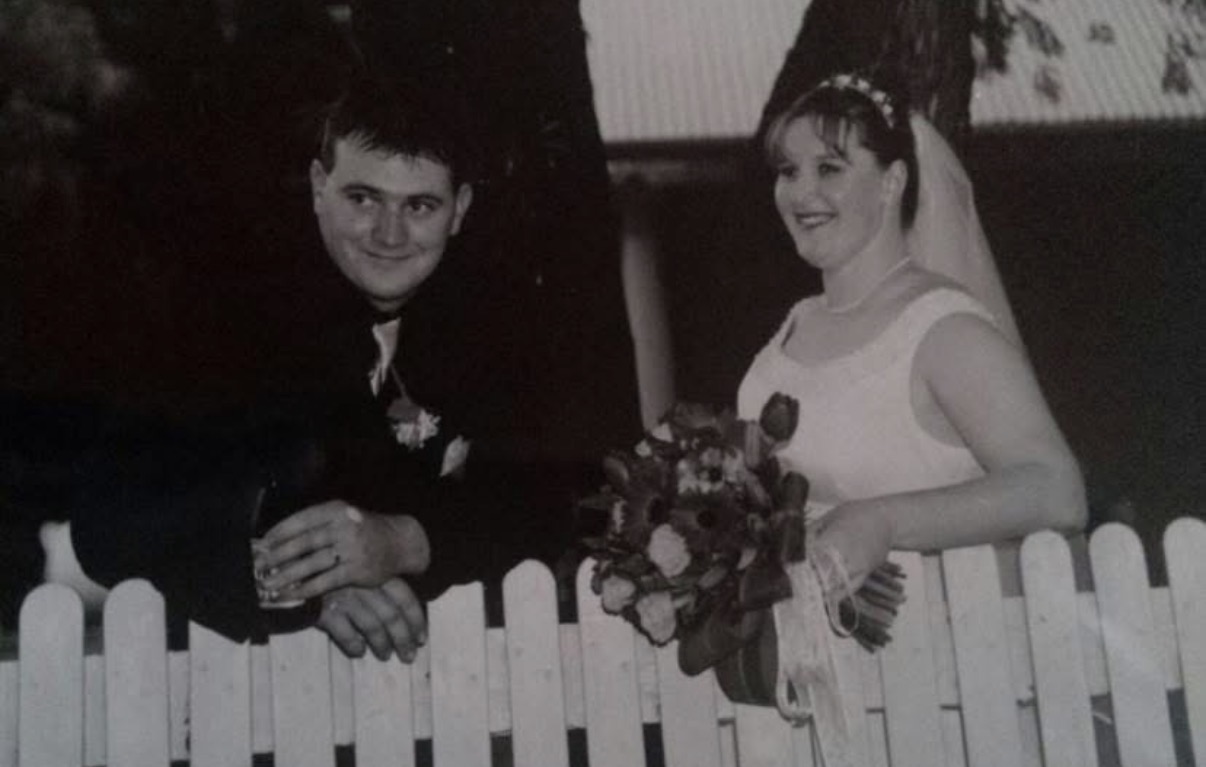 Jason and Anthea, both from Nyngan in central NSW, were high school sweethearts. They moved to Canberra for Jason’s work as an electrician, and later project manager, and have two children, Brae, 22 and Georgia, 19.

“I want people to know it’s the individual’s choice. I don’t feel anyone has the right to make the choice for that person,’’ Anthea said, about VAD.
“They get the choice to die with dignity. It’s important that the policies or your own personal beliefs need to be taken out of that decision.”
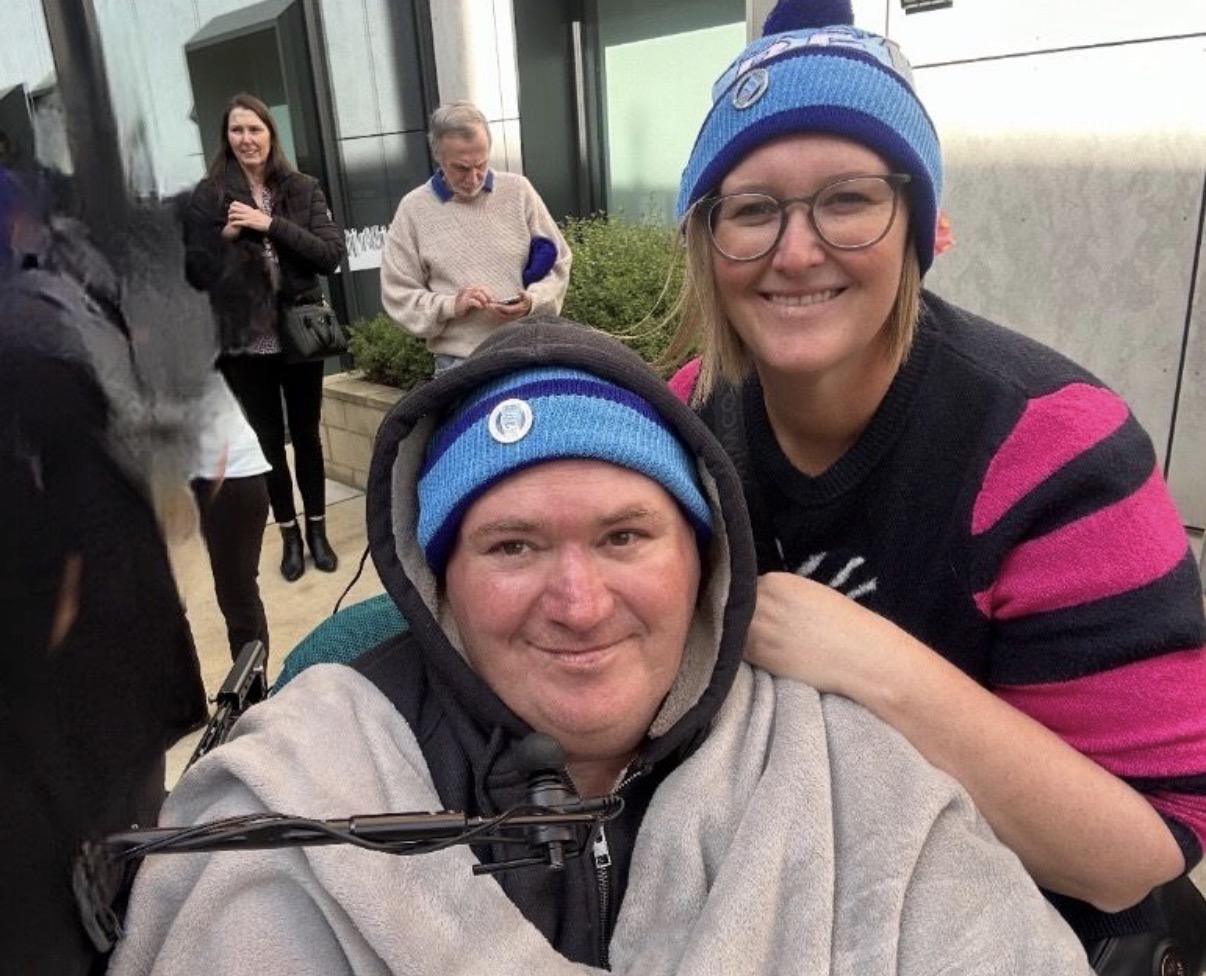 Go Gentle’s State of VAD report showed that one in three people with MND are now choosing VAD. Speaking at the report launch, Anthea reminded the room that people and families sit at the heart these laws.
“Behind every policy, every report, every decision there are people and a family.
"It’s not about how to die but how to live the very best right until the end.”