Fraser's way
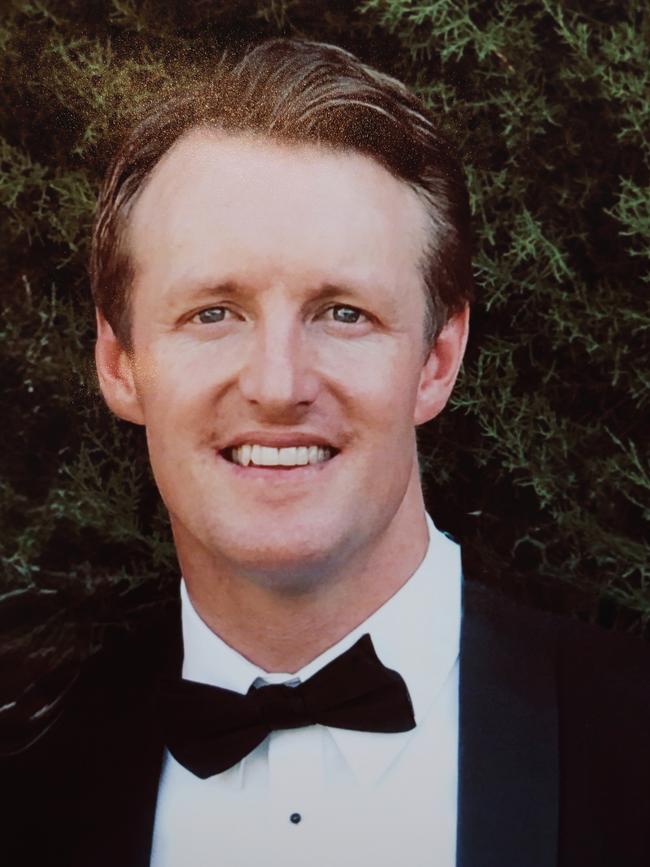
Fraser Cahill was young and successful, a man with the world at his feet. He was also dying of duodenal cancer, at age 38.
With characteristic strength, Fraser, an auctioneer and luxury real estate agent from Melbourne, took control of the difficult situation he faced.
Fraser decided he would choose the time and manner of his death, through voluntary assisted dying (VAD).
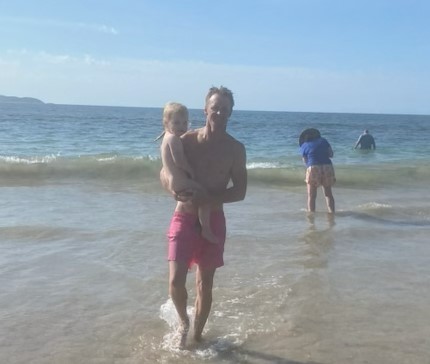
And he would also choose the location - looking out at the ocean, on a beach near Victoria's Point Lonsdale.
Fraser’s way prevailed, although neither of these decisions turned out to be straightforward.
Firstly, Fraser was hampered by Victoria’s restrictive VAD laws, combined with institutional obstruction by his hospital.
Fraser’s hospital “did not want to know about VAD’’, said his brother, Wes.
“As soon as we mentioned [VAD], they scattered in all directions. When you spoke to anyone they said: 'not in here'.
“In the end, I didn’t tell them we would be taking him out to be assessed. We snuck out. Fraser was feeling very unwell that day as well. But we had to do it - there was no time to waste.”
 Wes said Fraser would have chosen Peter MacCullum Cancer Centre, which has a well-established VAD service, if he’d known he would face obstruction.
“It’s just not fair,” said Wes. “It was extremely stressful for Fraser and the family. If he’d known, Fraser would have chosen a different hospital.”
 Fraser decided to check out of hospital and move to his holiday home on the Bellarine Peninsula, southwest of Melbourne, where he had to go about connecting with new health services. He didn’t have to reapply for VAD - but nonetheless felt frustrated that there were gaps in the system, and that no one talked enough about it.
Indeed, Victoria and South Australia are the only two states with a so-called ‘gag clause’ where doctors are not allowed to raise VAD with patients.

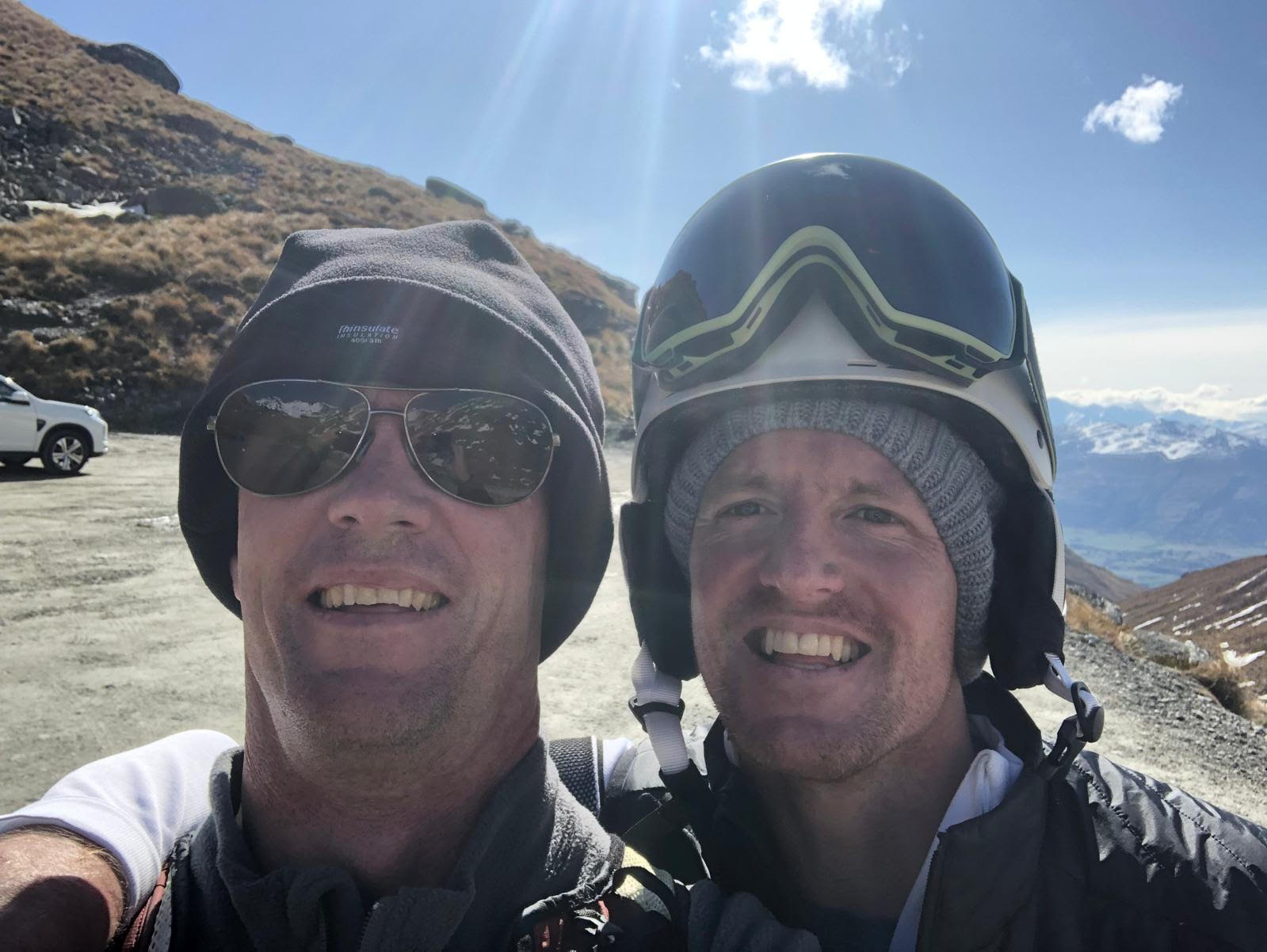
Luckily Fraser had family living close by who supported him through every step, as well as community palliative care nurse Beth Dinneen.
When Fraser expressed his wish to die on the beach, Beth knew that logistically it would be difficult, if not impossible.
But Fraser’s gentle insistence, matched by the compassionate determination of his family, enabled them to clear any obstacles in their way.

 Time was running out. Beth saw Fraser on Monday 17 March, 2025, and explained he was not staying ahead of his symptoms.
Fraser said: ‘it’s time’. He chose the Friday of that week, with a simple declaration, ‘let’s make it happen’.
He drove around with his family to find his ideal beachfront location. Beth wanted to make sure there were no bystanders, and contacted the police the day before to let them know what was happening.
The police were supportive, but made it clear they needed a plan to transport Fraser’s body back home.
So the family borrowed a stretcher from the local football club, to take him the 500m back to the car.
 On the day, Fraser’s family set up a white chair, umbrellas and music. Nellie, Quinton and Wes walked him arm in arm to the beach, followed by Mandy and Doug.
There, waiting, were his closest family members, sister-in-laws, cousins, aunts and a few of his best friends who had supported him through it all. They had ‘last cuddles’, last chats and last laughs, taking turns embracing each other, to the view of crashing ocean waves and the sound of Fraser’s favourite playlist.
“There was no hesitation, no doubt. He knew that’s what he wanted,’’ Beth said.
“It was the ultimate comfort that he didn’t have to live with the pain. He wasn’t scared at all.”
Wes agreed Fraser’s last day was “everything he said he wanted”.
“It was very special. It was his last wish to go this way.”

But Wes said the process of applying for VAD could have been easier. Fraser wanted, as part of his legacy, that it be streamlined for others.
Completing the assessments when Fraser was already sick and close to death was arduous, says Wes - being forced to repeat his requests, demonstrate capacity and prove he was not being coerced.
“It was torture,’’ Wes said. And then there were the impacts of the ‘gag clause’ which perpetuate stigma and silence.
“No one follows you up; you have to direct everything yourself. As soon as you mention VAD, everyone keeps their mouth shut.’’
It would have been far better to start the process earlier, said Wes, with more proactive support from health practitioners who are not scared of falling foul of the ‘gag clause’ in Victoria.
Two proposed amendments to Victoria’s VAD law being debated later this year, the removal of the ‘gag clause’ and extension of the timeframe to death from 6-12 months, will address that.
These amendments need to get the support of parliament. Wes will do what he can to ensure they pass.
“It was the last wish of a dying man, to make it easier for others,’’ Wes said.
“He wanted us to rattle the cage.”