The meaning of a good death
Soozey Johnstone writes about the VAD journey of her mother Judy, a former aged care nurse who faced death with a clear and practical resolve.
"I've had enough. It's time to go." Mum's voice was clear, level, undramatic. There was no tremor, no hint of second-guessing, only a quiet conviction.
The counsellor from Melbourne City Mission held her gaze and summarised what she was hearing; "deterioration week by week moving to deterioration day by day would suggest that things have progressed a lot since I last saw you; where would you like to go from here?"
Without hesitation, Mum said she would like to proceed with Voluntary Assisted Dying (VAD).
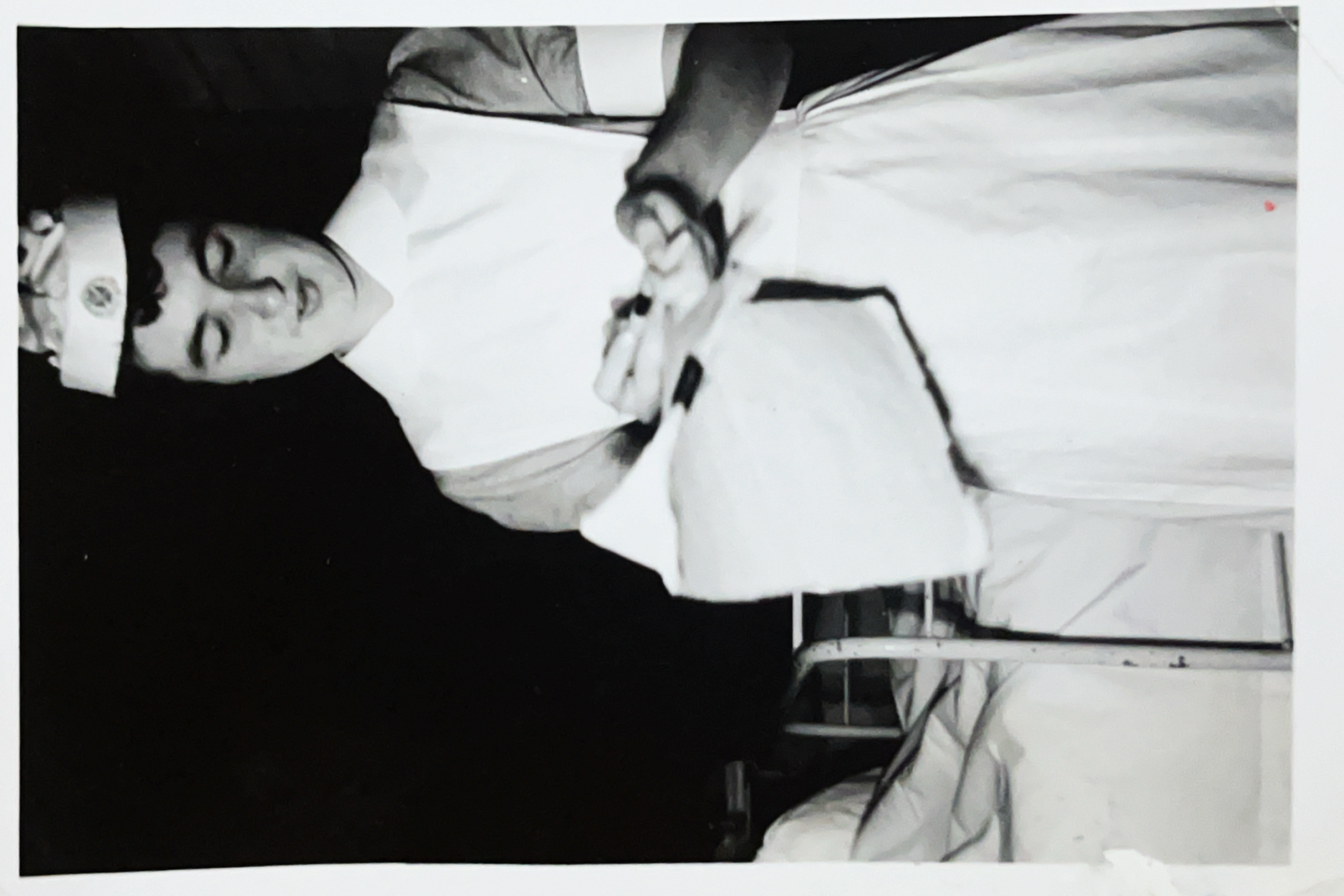
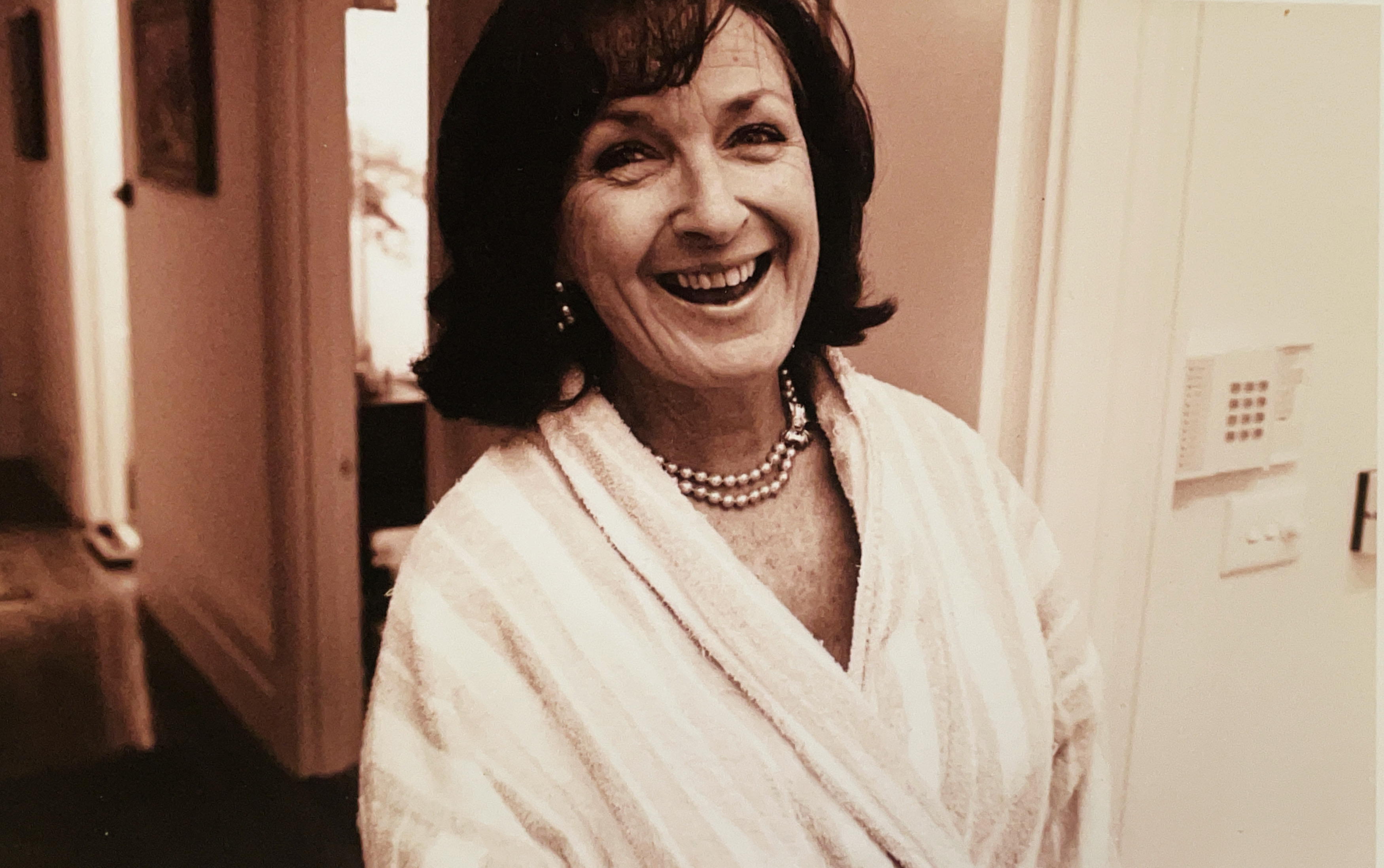 Since Mum’s glioblastoma diagnosis, she had been clear that she wanted to apply for VAD. As an aged care nurse, she had spent decades watching people die slowly and in pain without real choice, and she was determined not to accept that kind of ending for herself. She’d already watched us try to get Dad through the same system, his approval arriving only after he’d died, and she was intent on not repeating that drawn-out ending. With doctors estimating one to three months left, she asked us early on, gently but firmly, to move fast.
Soon after lodging her application, we met a VAD care navigator who laid out the path in careful detail: two independent doctors, multiple assessments, layers of safeguards. Through it all, Mum was composed and precise, doing everything she could to keep things moving even as the Christmas holidays threatened to stall the whole machine.
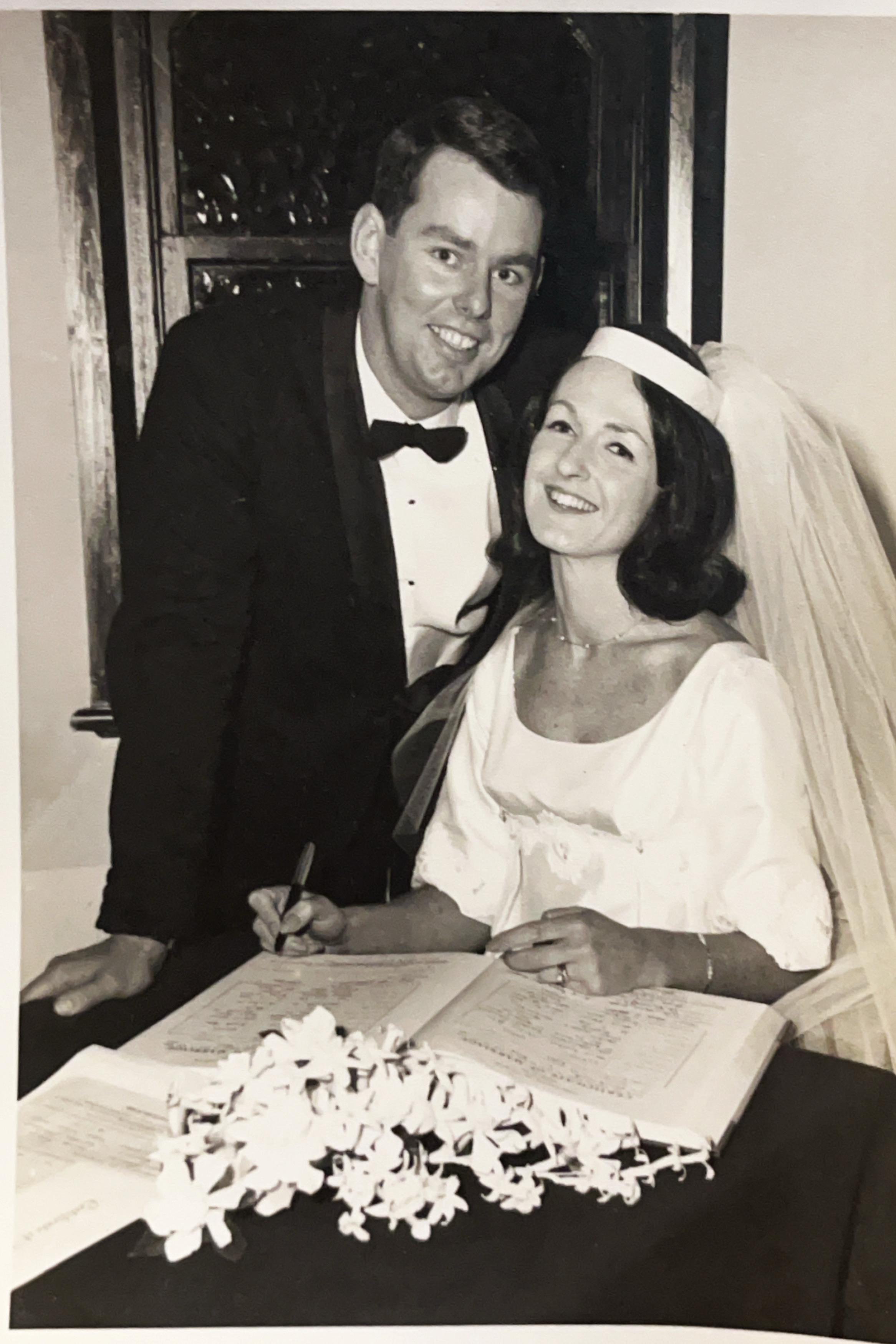 She kept reminding us that it wasn’t just the option to take the medication she wanted; it was the feeling of safety that came with knowing it would be there if she needed it. When verbal approval finally came through, we returned to the VAD doctor with two witnesses to sign the last forms, each signature another small, irrevocable step towards the ending she had chosen. Those appointments, with their checks and counterchecks, began to feel less like administration and more like a series of deep breaths before a dive.
After the paperwork, Mum and I spent an afternoon with two VAD pharmacists, rehearsing the mechanics. They poured sugar where the drug would eventually go and asked me to measure out 30 millilitres of liquid into a small bottle. My hands did exactly what they were told while my stomach clenched and my throat burned. For Mum, that little practice bottle was a kind of quiet triumph – a way to reclaim what so many of her patients had been denied. To an outsider it might have looked like a grim contingency plan. To us, it became choreography: a deliberately rehearsed sequence that let her decide when the music would stop.
 Sitting now on the couch with Mum, surrounded by my siblings and the counsellor, I still did not imagine that today would be that day. And yet, once Mum named it, all the quiet signs I had noticed but not fully seen arranged themselves into a stark, coherent pattern: her lack of appetite, the ignored calls and messages, the way she had turned away from the outside world, her essence dimming in such delicate increments that my optimism refused to register.
"I'd like to arrange the first possible palliative bed," she said.
While we waited, Mum suggested I go home to collect the VAD medication and her dog, Abbie. The counsellor had explained that there is growing research around people dying with pets nearby: that it matters for the animals to understand, in their own way, that their person has gone.
Then the call came: a palliative bed would be ready any time from 1pm.
Sitting beside Mum on the couch, I watched her slip off her rings and ask me to remove her jewellery. That was the moment I knew she was utterly, quietly committed.
The drive to the hospital felt surreal, as though the streets had been shuffled overnight and laid out in a slightly wrong order. We were, quite literally, nearing our last hour with her.
In the hospital room, we helped Mum onto the bed and gave her the preparatory anti-nausea medication. Then we had to wait an hour before she could take the VAD medication itself.
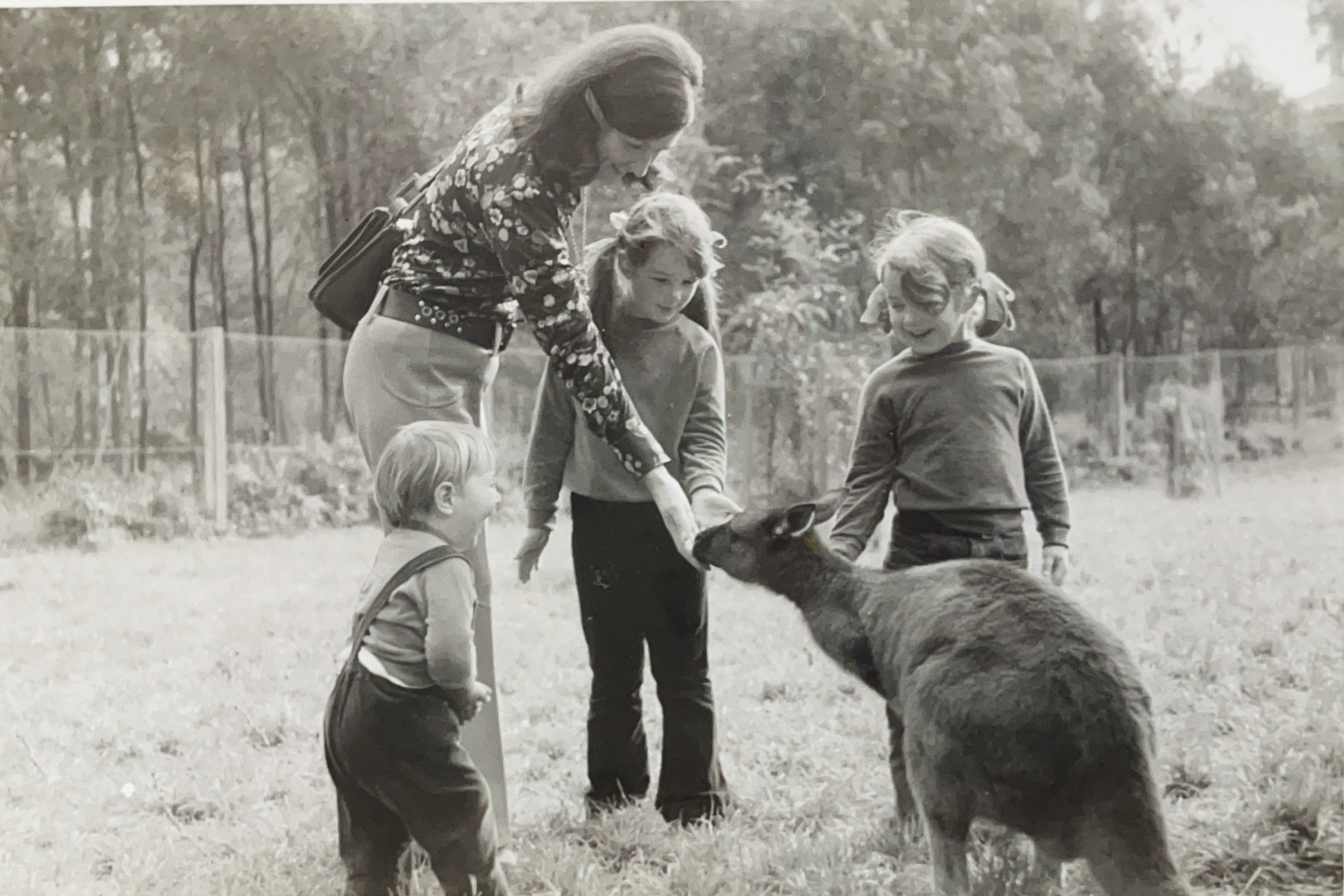 What do you talk about when there is only an hour left? I found myself scanning the previous three months, feeling how blessed we had been to have that concentrated time with her. We had done everything on her bucket list. We had said the things that needed to be said, and she had too. The conversations had become distilled, free of small talk, thick with the weight of what they carried.
"Are there any final secrets you want to share with me?" she asked, that sly smile still intact.
"You're the one who should be sharing the secrets, Mum," I said, my voice catching as I tried to mirror her smile.
Sitting beside her in that hospital room, counting down the last hour, I realised that "a good death" is not a soft-focus scene lit by candles and wise last words, but a death that reflects the life that came before it. For Mum it was well planned, considered, clear, practical.
"When you get there, Mum, please send us a huge sign that you've arrived safely and found Dad," I said. "Nothing small or trite like a bird tapping on the window ledge. Make it grand and obvious so that we know it's you."
We laughed, our grief and our humour jostling for space in the same, cramped room. My brother stirred the VAD medication into the liquid and then passed it to Mum in a small cup. We all hugged her then. I tried to imprint everything: the smell of her skin, the texture of her hair against my cheek, the faint tremor in her hands, the sound of her breath close to my ear. I wanted to devour it through every sense, and it was still nowhere near enough.
Mum downed the drink in one swift motion, like a shot. "This tastes terrible. Quickly, give me that Baileys," she said. She took a generous sip and grimaced. "Oooh, the taste is still there, grab me a mint." As she sucked on the mint, working to erase the bitterness, she said, "If I fall asleep before I've finished this mint, please do all you can to make sure I don't choke!" We all laughed, hard, suspended in this impossible overlap of deep sorrow and ridiculous, bodily comedy.
And then, in what felt like a single breath, she was gone. The mint still whole in her mouth. Her face serene, peaceful, beautiful, content. So utterly herself in the way she exited: practical, funny, clear. The nurse who had come home in tears from aged care, broken by the bad deaths she had witnessed, had finally managed to claim for herself the kind of ending she wished for others: one held in love, free from avoidable pain, shaped by her own hand.
Abbie, a usually hyperactive dog, lay silent, nuzzled deeply into the crevice of Mum's thighs. From the side, I lay my head on Mum's chest, holding her tight as I felt a sigh. In that moment I felt the release in her and in me and immersed myself in the gratitude that I had for an extraordinary life with Mum and Dad.
My brother stayed overnight at Mum's. In the middle of the night, he turned on the bathroom light and the globe exploded with such force that the shock knocked him backwards and shattered glass smashed onto the tiles. Thanks Mum.
There was our grand, reassuring, unmistakable sign.
Now, when I think about what a good death means, I think of that long arc: the nurse in aged care coming home in tears, the mother who wanted better for her patients than the system allowed, the woman who, when her time came, used every tool available to refuse the script she had watched play out too many times.
A good death, for me, is one in which love and agency are allowed to stand side by side at the bedside – where the people who stay can grieve the loss without also grieving the manner of the leaving.