'She didn't like the idea of them flying up'
A ban on using telehealth in VAD has meant doctors travelling great distances to see patients in regional areas.
Why make it so difficult for everyone?
Narelle Onley became aware of VAD after a series of traumatic deaths in the extended family, which involved intense suffering.
Then her husband Greg developed a rare form of prostate cancer and died in pain in 2012, begging his family to "turn me off for God's sake". Doctors had explained there was nothing more they could do to alleviate his distress without illegally hastening death.
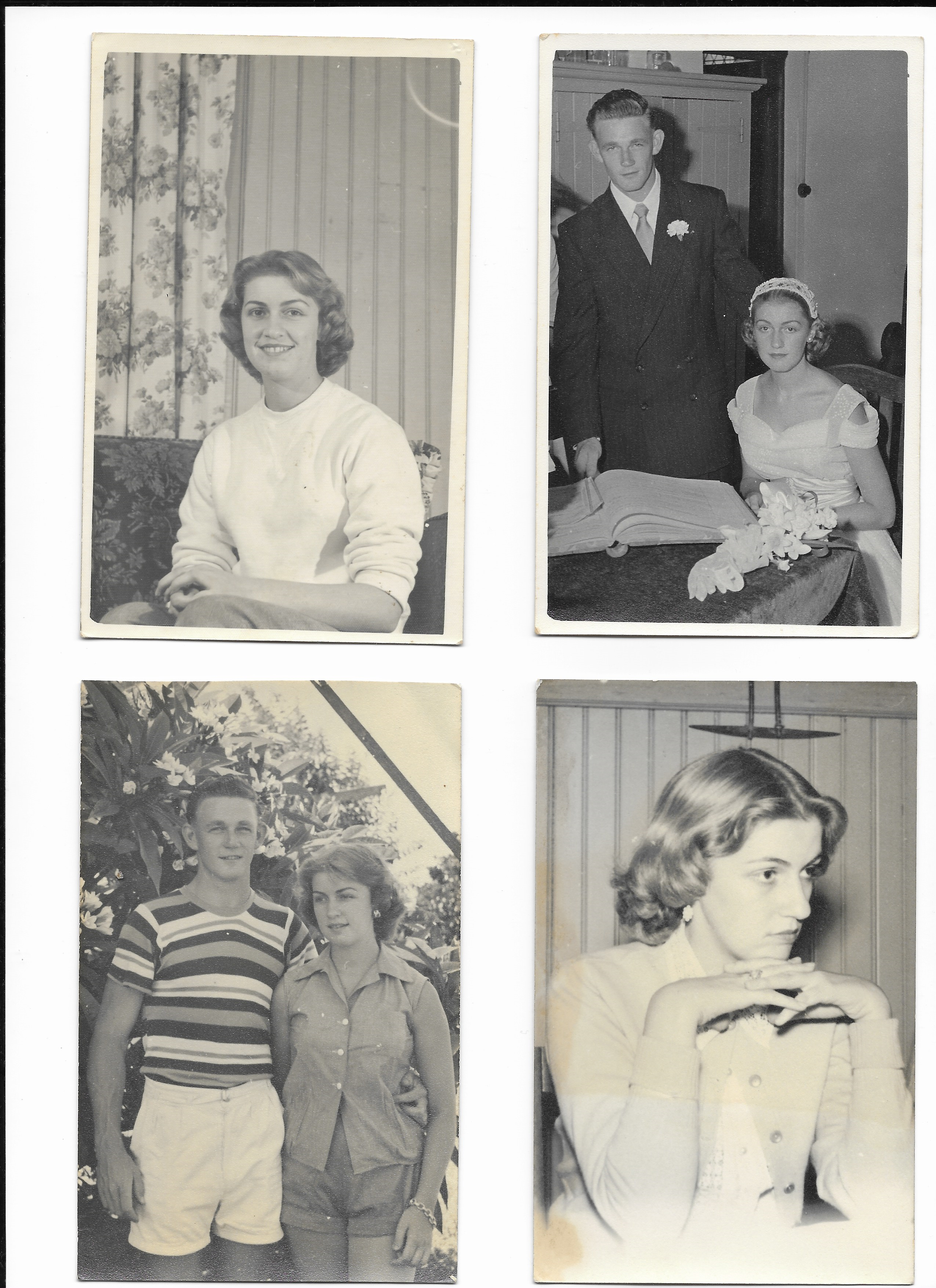
So when Narelle was diagnosed with endometrial cancer in 2022, at age 83, she was stoic about her fate, but determined to have some control. A practical and resilient woman, she had run a sugarcane and cattle farm for many years on the NSW north coast. She told her daughters: "When I want to go, I want to go".
Already suffering from other health problems with hearing, eyesight and mobility, she refused treatment and let the disease take its course.
As her health worsened, she requested VAD, which had just been implemented in NSW.
Three plane trips
As Narelle had chosen not to be treated for her cancer, she did not have an oncologist to assess her and there were no VAD doctors available in Coffs Harbour at the time.
So doctors from Sydney flew up for the first, second and final assessments in March, 2024 - a total of three round trips. The telehealth ban in VAD means that all consultations must be done in person.
As Narelle had planned to ingest the VAD substance orally, at home, a fourth plane trip was planned for the pharmacist to deliver it.
However Narelle developed a metastatic bowel obstruction which meant she would have to have the substance administered intravenously, and with assistance from the NSW Care Navigator Service, a local anaesthetist was found.
Narelle was deteriorating rapidly but managed to access VAD as she wished, in hospital, on 4 April 2024, after saying goodbye to her family.
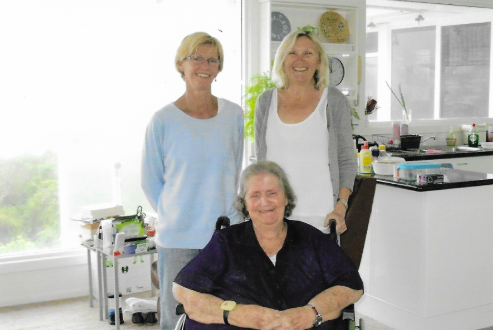
Her daughter Kris said she was relieved that her mother had avoided the worst symptoms of bowel obstruction, and she was grateful for the compassionate and professional service from the NSW VAD team.
"The Care Navigators made the VAD process as smooth as it could be, and they were so supportive throughout. I can't praise them highly enough," Kris said.
However the ban on telehealth in VAD “made it that much harder” for all involved.
The Commonwealth Criminal Code Act 1995 means that health professionals are prohibited from discussing large parts of the VAD process via any electronic communications; this includes telehealth, phone, email, text — even fax. If they do, they risk criminal prosecution and a fine.
"They could have assessed mum in the same way, by asking questions, via video call, if they had been allowed to,'' Kris said.
"They had access to all her medical records."
Narelle was always very conscious that healthcare resources were finite, and didn't want unnecessary expense. "She didn't like the idea of them flying up,'' Kris says.
Another issue with the telehealth ban was that it made it more difficult for her assessing doctors to keep in touch with her throughout the VAD process.
Still, the family is grateful that Narelle was able to access VAD. She didn't want a farewell party - at that point she "wanted it over and done with".
"We got to say goodbye,'' says Kris.
"We support VAD and want to get the word out there, so people can get some relief."