'The law needs to change'
Patrick Hammer did everything right. He was eligible for VAD. He was approved.
But at the very last hurdle, that choice was taken away because of Australia's ban on telehealth in VAD.
Because Patrick lived in Queensland, which requires a paper script for the VAD substance to be posted to Brisbane - a strict interpretation of outdated Commonwealth carriage laws that ban any electronic communication in VAD- Patrick was forced to wait.
He didn’t have that time.
He lost capacity and died in November, 2025 while the script was still in the mail.
His wife of six years, Helena, was left devastated and frustrated by the federal ban on telehealth in VAD, which heavily disadvantages people in rural and regional areas.
Patrick was only 38 when he died. A father of two young boys, he was a gentle, easy-going person.
“He was thoughtful and kind. A fun dad,'' she says.
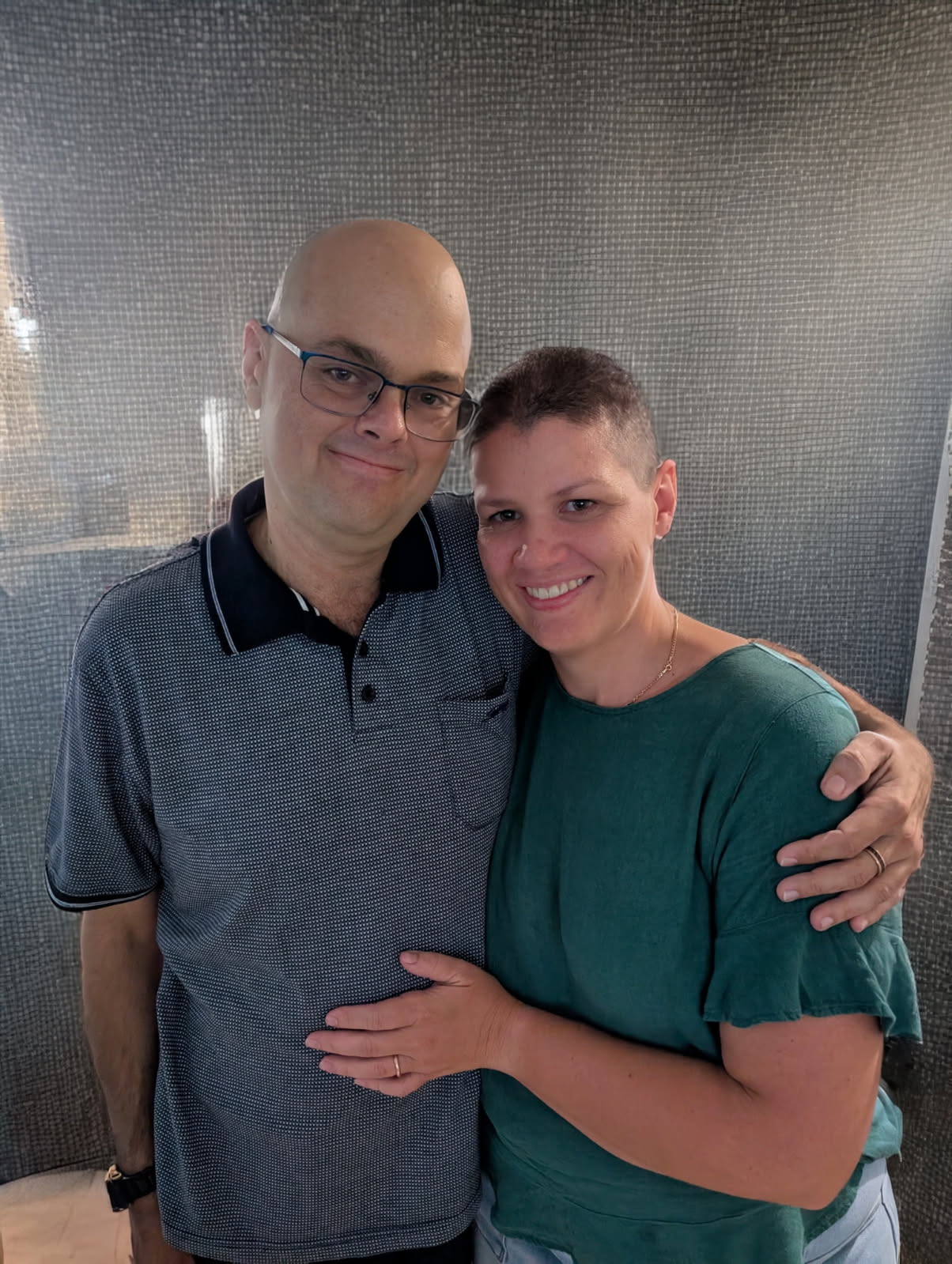
Patrick, from the town of Emu Park on Queensland's Capricorn Coast, was diagnosed with leukaemia in in 2023. He had a bone marrow transplant and went into remission. But he had complications, eventually diagnosed as primary sclerosing cholangitis adjacent, and eventually end-stage liver disease.
Patrick requested voluntary assisted dying (VAD) and went through the approval process, with the support of his GP Dr Debra Ibbotson. Dr Ibbotson had expedited the approval as Patrick was predicated to die within days.
Patrick had imagined he would die on the patio at home holding the hand of Helena, accompanied by their two beloved dogs.
But his end-of-life choice was cruelly denied him at the last hurdle.
Unlike other states where the script is uploaded into an electronic portal, Queensland’s strict interpretation of the Commonwealth Carriage laws are that the original paper script for the VAD substance needed to be posted to Brisbane. The estimated delivery time, in this case, was five to seven days.
Dr Ibbotson asked if the post office could expedite delivery, but was told it was not possible.
Then she received a devastating message from Helena: "It's too late."
Patrick lost capacity and died while the script was still making its way to Brisbane.
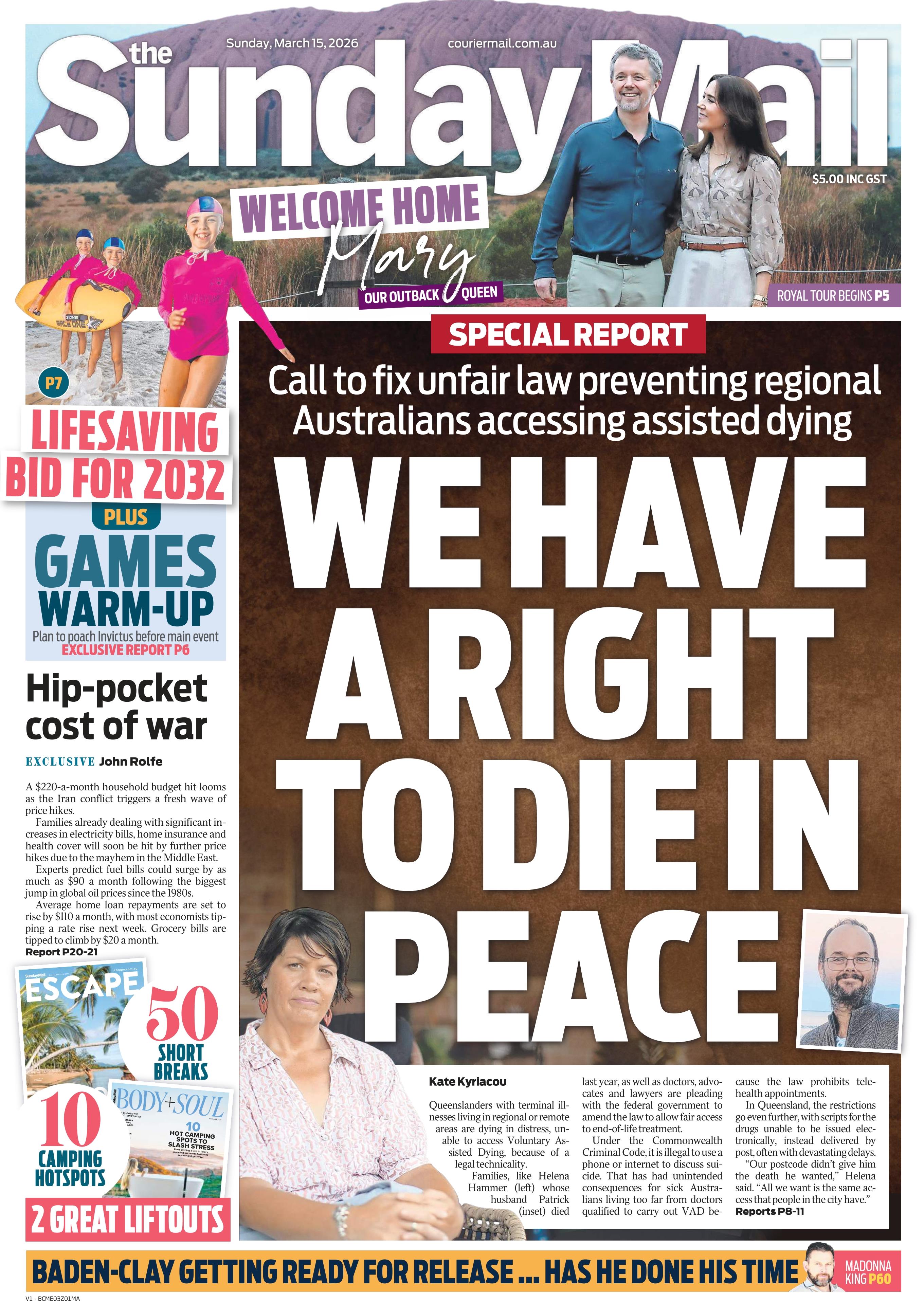 Dr Ibbotson and Patrick’s wife, Helena, were left disappointed and frustrated with the system, which heavily disadvantages patients from rural and regional areas.
“I promised him I was going to give him the best passing - but I wasn’t able to do that,” Dr Ibbotson said.
“What’s the point in being able to expedite VAD if the person can’t get the script there for a week?
“I don’t know where the compassion is for dying people. The law needs to change.”
Helena said she was motivated to speak out to advocate for rural families who were disadvantaged because of their location.
She also expressed disappointment that Patrick’s dire prognosis was not made clear enough. Because of the complexity of his medical condition - with a history of leukaemia, a bone marrow transplant and liver disease - several specialist teams were involved in his care.
“Patrick wanted VAD. But he didn’t want to die. He thought he had more time,’’ she said.
Helena said if Patrick had been better prepared for his death he could have applied for VAD earlier, and had more quality time with the couple's two young boys, aged three and seven.
“I can’t change Patrick’s story but we can hopefully get people the options they deserve at the end of life."
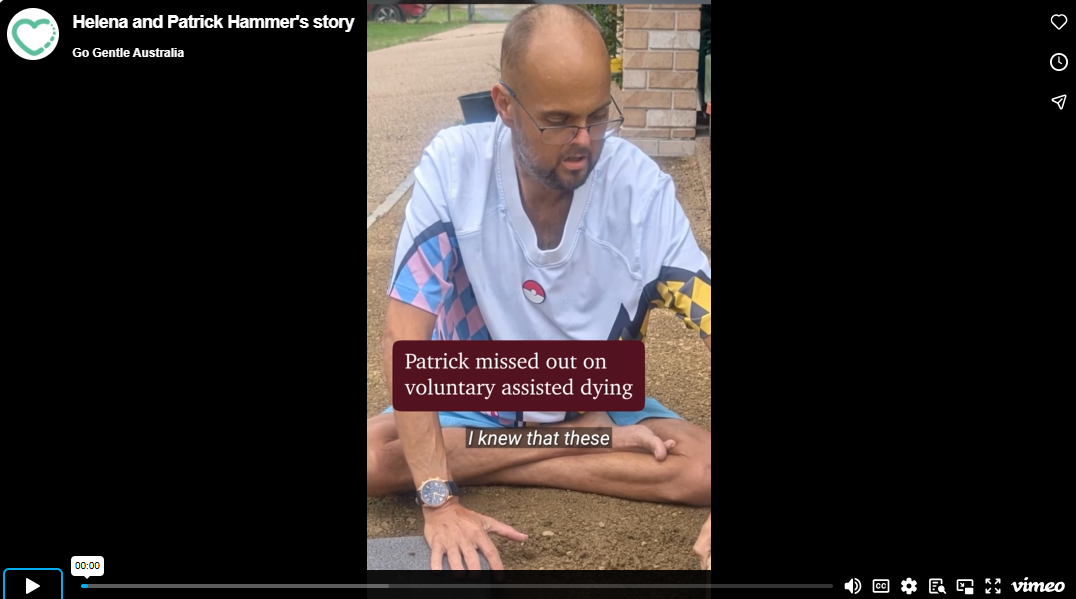
Time to take action
Write to the Attorney-General Michelle Rowland and ask her fix this unfair federal ban